Google Wallet in 2026: What Every Marketer Needs to Know

Google Wallet has evolved from a payment shortcut into a full marketing channel. If your brand has not yet activated passes, you are leaving real engagement on the table.

Google Wallet now has 5.2 billion users. That alone should earn a line in your marketing plan. But the real story is the new features. Many of them were built for marketers, not engineers.

Here is what changed, what it means for your campaigns, and how Passworks helps you act on it.

1. Nearby Passes: your store becomes a notification trigger

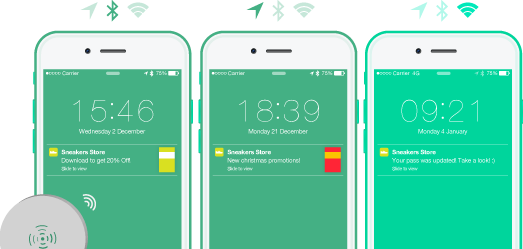
Google launched Nearby Passes at I/O 2025. It is now rolling out widely in 2026. Here is how it works: when a customer walks near your shop, their phone sends them a notification. It only fires if they already have your loyalty card saved. One tap opens the card. Your brand is in front of them at the exact moment they can act.

No ad spend. No email. No retargeting. Just proximity.

2. Smart Tap Bounceback: sign up customers at the till

Smart Tap lets NFC terminals read wallet passes. The new Bounceback feature goes the other way. When a customer pays with Google Wallet at a Smart Tap terminal, they get a prompt to join your loyalty programme. One tap to sign up. No form. No app. No waiting.

For retailers, this removes the biggest drop-off in loyalty sign-ups. The awkward ask at the till? Gone. A tap replaces it.

3. Field updates with live notifications

When something on a pass changes, Google Wallet now tells the customer. Points go up? Notification. Offer about to expire? Notification. Tier status changes? Notification. You do not need to plan a campaign. The transaction does it for you.

Customers can also add their own nicknames to passes now. It makes passes easier to find and use. That means more eyes on your brand.

4. More countries, more customers

Google Wallet keeps expanding. In 2025 and 2026 it added Egypt, Venezuela, Bermuda, India, and more. If your brand operates in more than one country, your potential wallet audience just got bigger.

What this means for you and your brand

All these updates point in one direction. Wallet passes are no longer static cards. They are live marketing tools. A pass with no notifications or location triggers is just a digital version of a paper card. Google has built something much more powerful than that.

The good news: you do not need to change your marketing setup. Passworks connects directly to the Google Wallet API. It handles pass creation, distribution, updates, and notification triggers. Your team focuses on the campaign. We handle the rest.

5.2B
Global Wallet users in 2026
32%
of POS transactions via digital wallet
69%
of US adults used a digital wallet in 30 days

Getting started

  1. Look at your customer touchpoints. Which ones could use a pass? Think loyalty cards, coupons, event tickets, and membership cards.
  2. Build your first pass in Passworks. It takes under ten minutes and needs no coding.
  3. Turn on geofence alerts and field update triggers in the dashboard.
  4. Track results in the analytics panel.

The most effective time to start a wallet marketing strategy is now.

Ready to build your first Wallet pass? Start a free trial at passworks.io and have your first pass live today.

Why Mobile Wallet Passes

Mobile is taking an ever greater role in customers lives! All Mobile tools are key assets of a mobile strategy, but Mobile Wallet Passes have been gaining their momentum.

Mobile Wallet

Apple Wallet Pass

“Mobile is one of the key assets that helps drive store growth. It allows to better understand and help our clients. It’s only going to strengthen the store experience, especially if you focus it and have the right mobile experiences to supplement the in-store experience.”

Mobile Wallet Passes are a great solution for companies to implement as part of their mobile strategy, being highly cost-effective and time-effective, while improving customer experience across all touchpoints and driving engagement.

Here are 10 reasons why every company needs to implement Mobile Wallet Passes as part of their mobile strategy.


⇒  Take advantage of native Apps

Reach prospects that don’t have your App installed through Mobile Wallet Passes in native Apps, such as Apple Wallet and Google Wallet. Build programs that “live” inside your customers smartphone.

Apple Wallet Google Wallet

⇒  Don’t depend on the App stores approval process

Approval processes mandated by App stores are long process on the launch and an ongoing to maintain an App. Mobile Wallet Passes enables to be inside your customer smartphone in seconds in an easy process.

⇒  Easy to install a Mobile Wallet Pass

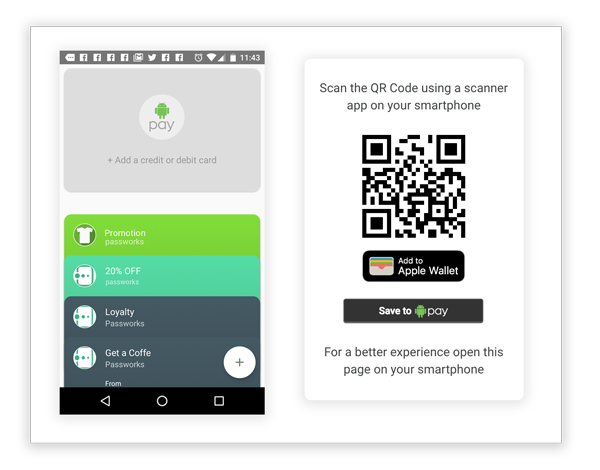
A Mobile Wallet Pass can be easily distributed by sending and email or an SMS with a url link, by printing or embedding a QR code on a paper or website, or even sending the .pkpass file as an attachment.

Passworks Platform_Add Pass copy

⇒  Build a single Wallet Pass compatible with both iOS and Android

Passworks mobile wallet platform enables companies to design and built a single Wallet Pass that is compatible with both Apple Wallet and Google Wallet, and can be install in a unique link.

⇒  Mobile Wallet Pass content can be updated in real-time

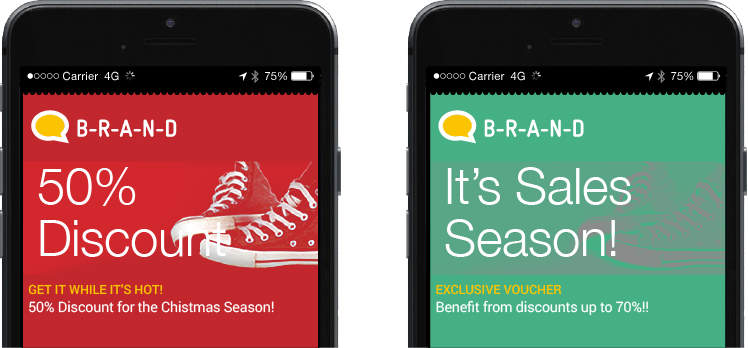
With real-time multiple content, value and look & feel updates, you have the opportunity to establish an on-going conversation with your consumers, in order to keep them always up-to-date.

Updates Advantages

⇒  Send Push notification with automatic lock screen access

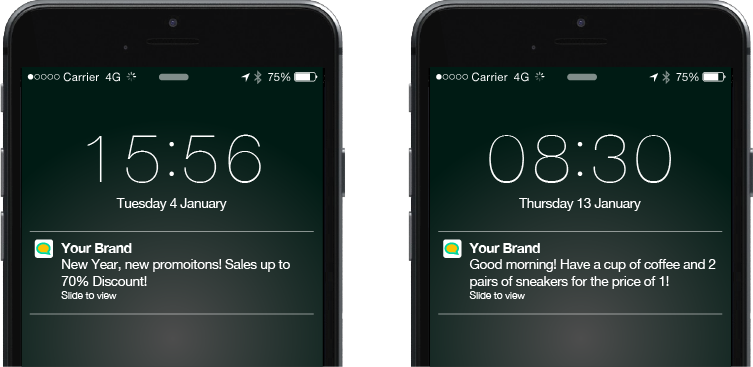
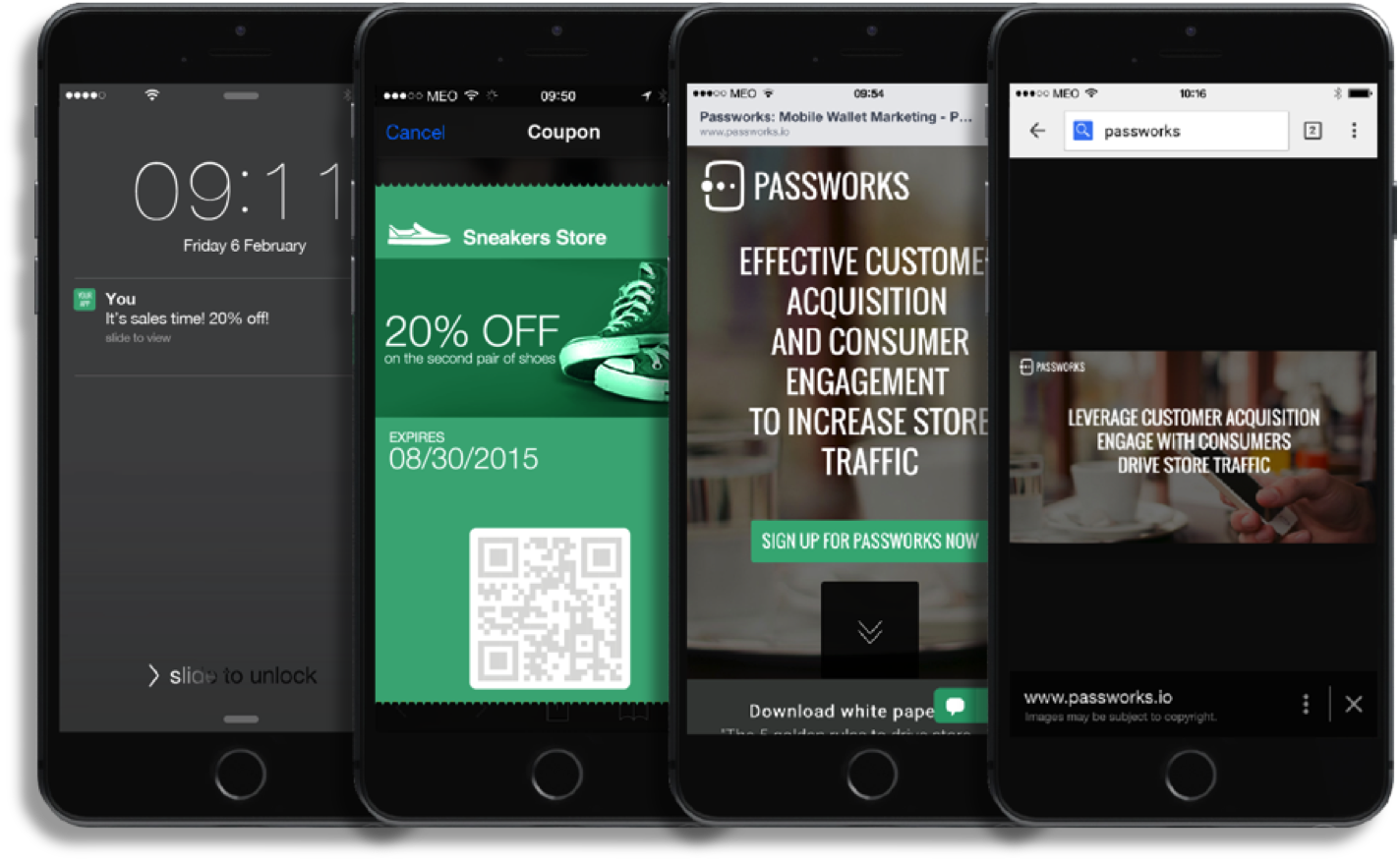
Mobile Wallet Passes make it easier to reach with your customers directly on their mobile lock screen. Engage in a convenient and relevant way: send messages to promote offers, make reminders and inform updates directly to your consumers’ smartphone, giving you the chance to be on your consumers’ top-of-mind.

Push Notifications Advantages

⇒  Trigger location-based notifications

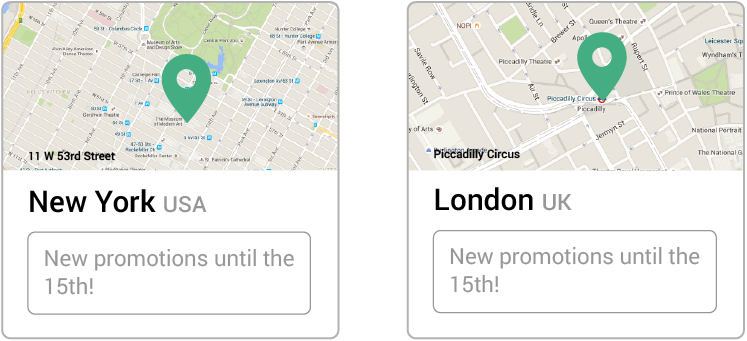
Take the advantage of the location-based technology by defining geo-based and beacons-based messages which will be triggered when passing by your store or a specific and strategic location.

Locations Advantages

⇒  Cut down on development time

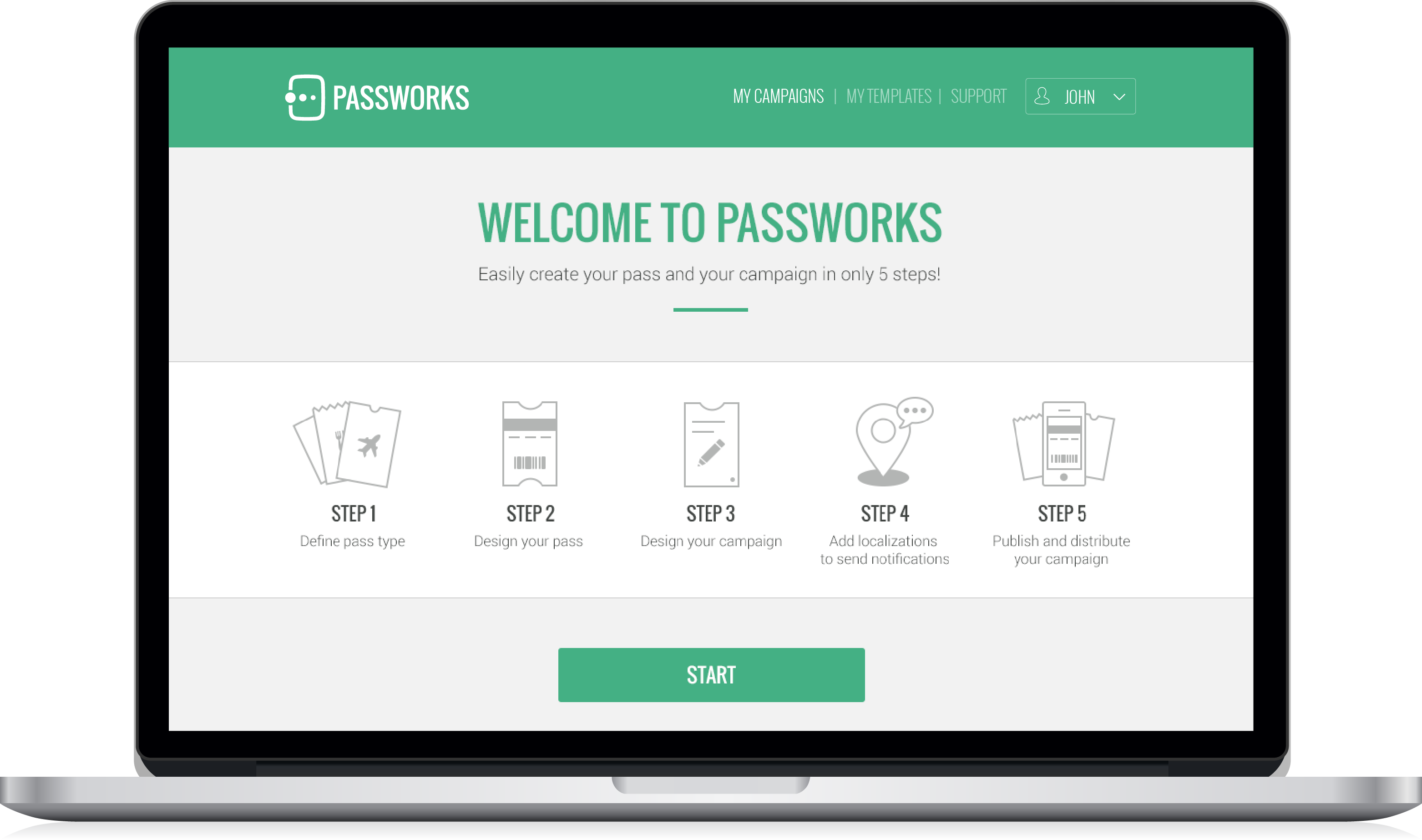
With Passworks “do-it-yourself” platforms, companies can design and build a Mobile Wallet pass in minutes. Even for more complex functionalities, Passworks team is available to provide all support need to launch a Mobile Wallet campaign easily. Compare this go-to-market speed to the 3 to 12 months that can take to build an App.

Passworks Platform_Welcome to Passworks

⇒  Reduce development costs

Developing an App can cost your business anywhere from 20k€ to unlimited. On top of the initial development cost, there is an annual maintenance cost of around 25% of the initial cost. On the other side, Mobile Wallet passes cost a fraction of the App development cost and has a high level of engagement and retention rates.

⇒  Free up mobile storage space

Smartphone users constantly find themselves looking to free up space, and think of which App to delete. Each App takes up an average of 34 MBs on your phone, while Wallet passes is less than 10 KB. Users are much less likely to delete a Wallet Pass than an App.


Additionally, Mobile Wallet Passes are also a driver to companies digital transformation, eliminating paper coupons, replacing plastic loyalty or membership cards, and reducing their carbon footprints. On top of being highly cost and time effective, Mobile Wallets Passes provide an amazing customer engagement experience and delivery value to the brands.


Want to know more about Mobile Wallets Passes and Passworks? Contact us today and let’s talk!

Passworks Resources and Documentation

To help you get the most out of Passworks Mobile Wallet platform, we have created Passworks Resources to provide information on specific relevant topics.


Passworks REST API

Passworks REST API for Mobile Wallet projects is a simple and intuitive solution to create, manage and distribute Apple Wallet and Google Pay passes.

Passworks_REST_API

Passworks provides a complete set of tools, documentation and other resources that enable you to create passes and manage them via our API with ease. Passworks latest version of the REST API documentation (https://api.passworks.io) can be found in GitHub.

Try to figure out the common objects that you can create using the API, such as assets or passes, and also how the authentication and pagination works. We recommend you reading the following additional documentations:


Passworks Frequently Asked Questions

We have been collecting the most frequently asked questions from our prospects and customers, and have decided to create a page with all informations, frequent questions and concerns related to common knowledge gaps.

Passworks_Mobile_Wallet_Solution

The Frequently Asked Questions (https://help.passworks.io/) can be found at Passworks Documentation page and is divided by specific topics.

  • Apple Wallet: Information on what is Apple Wallet, how it works, type of digital passes, characteristics of the technology and much more.
  • Google Pay: Introduction to Google Pay, how it works, type of passes, characteristics of the technology, how it differentiates versus Apple Wallet and much more.
  • API: Information on how Passworks REST API works and how to use it.
  • Quickstart & Miscellaneous: Access to generic questions on Mobile Wallets and Passworks Mobile Wallet platform works.
  • Security: Provides a high level overview of the security practices that Passworks puts in place to keep our customers data protected all time.
  • Authentication: Passworks supports two factor authentication by using one-time password and also supports SAML for single sign-on.


Want to know more about Mobile Wallets and Passworks? Contact us today and let’s talk!


Mobile Wallets Explained

We believe that Mobile Wallets are one of the most exciting opportunity to engage with customers via mobile. Mobile Wallets explained tries to answer what mobile wallet is all about.


What is a Mobile Wallet?

A Mobile Wallet is a virtual wallet that stores payment cards information or other generic cards on a mobile device. Mobile Wallets are a convenient way for a customer to make in-store payments and interact with retailers point-of-sale systems.


What are the main Mobile Wallets platforms?

Apple Wallet and Google Pay (formerly Google Wallet / Android Pay) are the two main mobile wallets platforms. Both Apple and Google have made significant investments in building their ecosystems in the last several years.

Mobile_Wallet_Explained

Both Apple Wallet and Google Pay offer similar capabilities, like the ability to store credit cards to make mobile payments and also the ability to store non-payment passes, such as digital event tickets, loyalty cards, boarding passes and much more. There are some differences between the wallets, such as the type of passes that can be created in each platform and how notifications are managed.

One of the big advantage of Apple Wallet and Google Pay is leveraging the ecosystem that already lives inside iOS and Android phone, and bypassing the need to install another App.


Much more than Mobile Payments!

Mobile Wallets, such as Apple Wallet and Google Pay, are changing how we interact with our phone by implementing mobile wallet functionalities that go beyond payments. The ability to transform the physical billfold to a fully digital wallet with the ability to store coupons, loyalty cards, boarding passes or even tickets, provide business and brands an easy way to reach their customer on mobile and engage in real-time.


What is Mobile Wallet Pass?

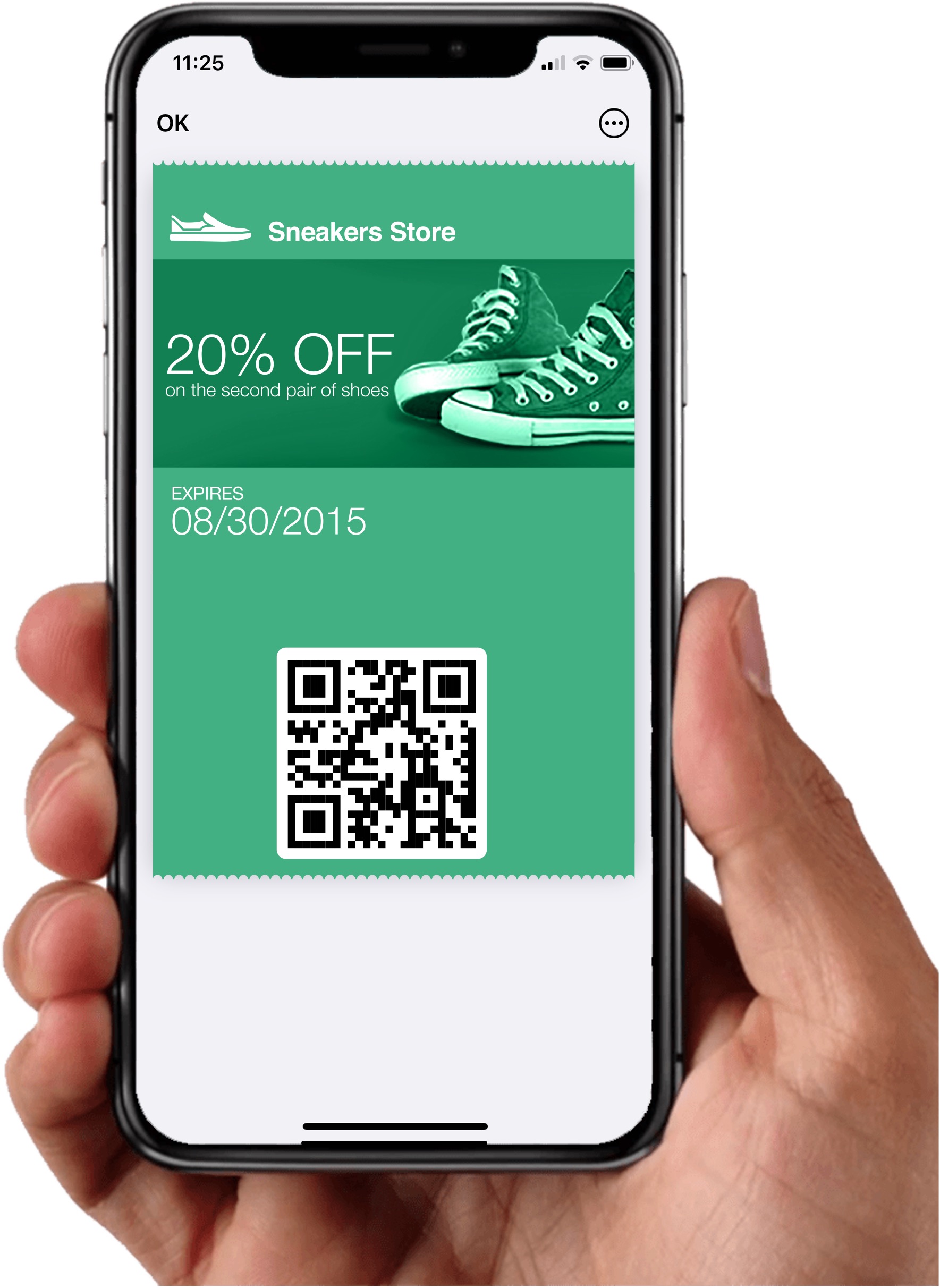
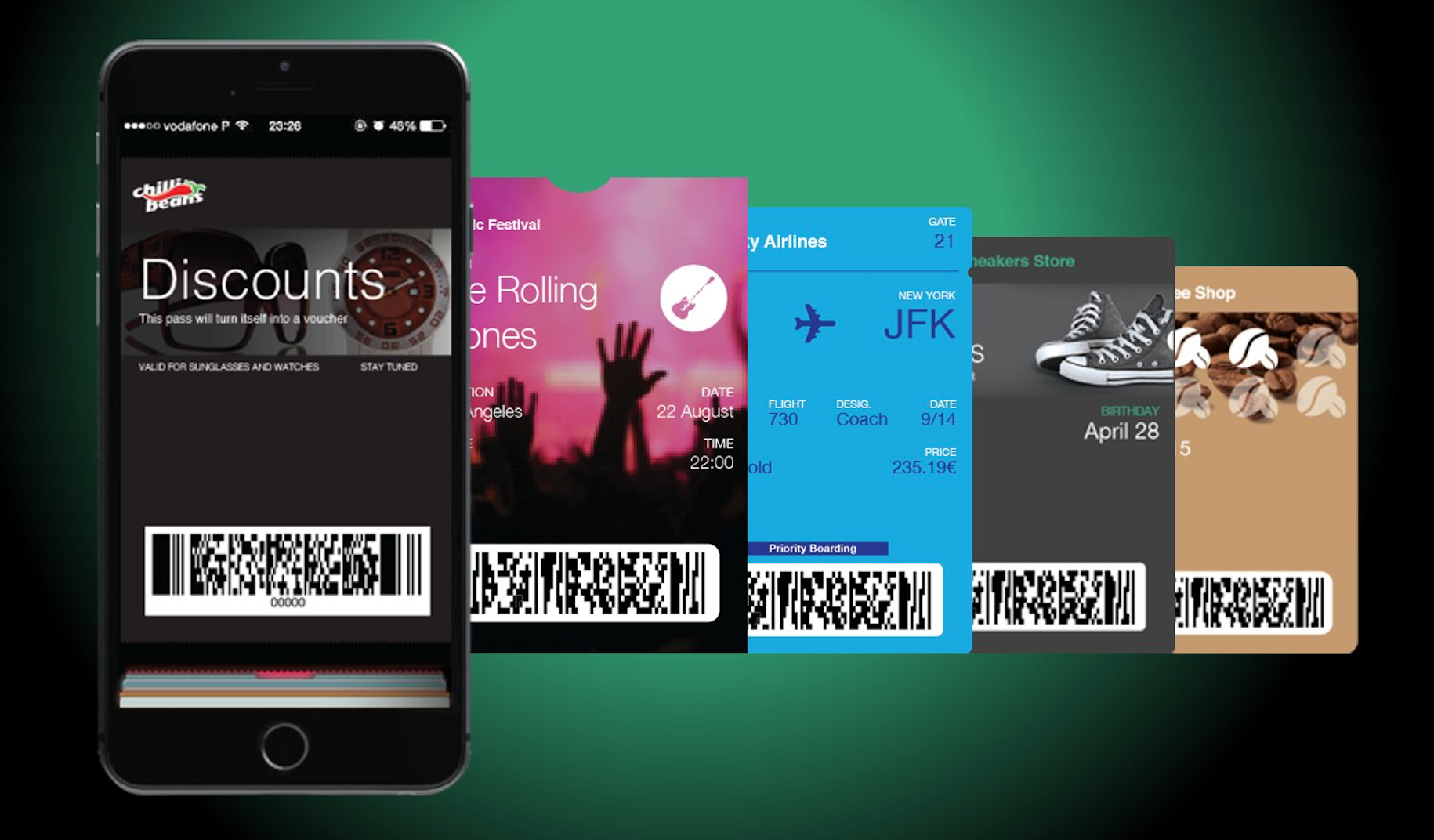
Mobile Wallet Pass is also referred as Mobile Wallet Card, Digital Wallet Pass, Digital Wallet Card, Wallet Pass or Wallet Card, and describes the content  or information in the form of the non-payment item that can be stored in the Apple Wallet or Google Pay. The best explanation is to think that a Mobile Wallet Pass as the digital equivalent of all thee everyday things included in a physical wallet like loyalty cards, coupons, business cards, tickets and more.

Passworks-Mobile-Passes

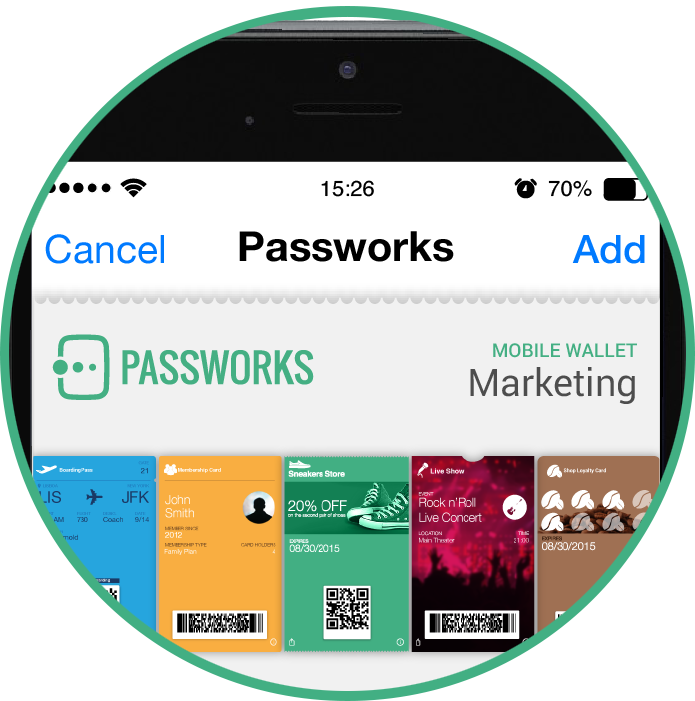
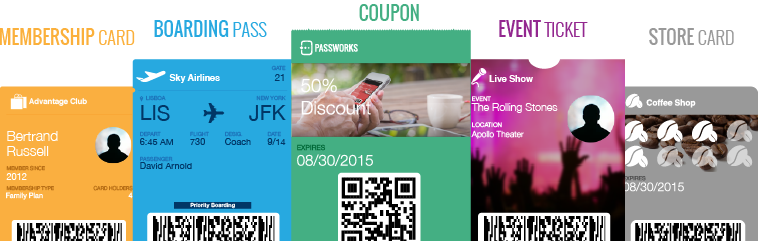
The 5 mobile wallet passes are Event Tickets, Coupons, Generic Cards, Store Cards and Boarding Passes, that can be applied to multiple use cases. The simplicity of the mobile wallet pass is one of its greatest appeals for a business and follows a basic layout for both Apple Wallet and Google Pay.


What are the most common Mobile Wallets use cases?

As previous mentioned, there are literally multiple use case where we can apply the benefits of having a mobile wallet pass. They can go from the classic store coupon or loyalty card, to a much more innovative way to reach and engage with consumers. The following list shows some examples of use cases.

  • Coupons
  • Membership or Club Card
  • Exclusive Card to access offers, promotions or content
  • Loyalty Card
  • Loyalty Reward Offer
  • Voucher
  • Giftcard
  • Alerts, Updates & Reminders Pass
  • Employee Card
  • Event Ticket


Wrap up!

Now you know what is a Mobile Wallet, the benefits and what it can do for your business. Mobile Wallet are great tool to surprise, engage and delight your customers.

Want to learn more about how Mobile Wallet can help you connect with customers at each stage of the customer lifecycle? Contact us today and let’s talk!

Promutuel launches digital insurance certificate

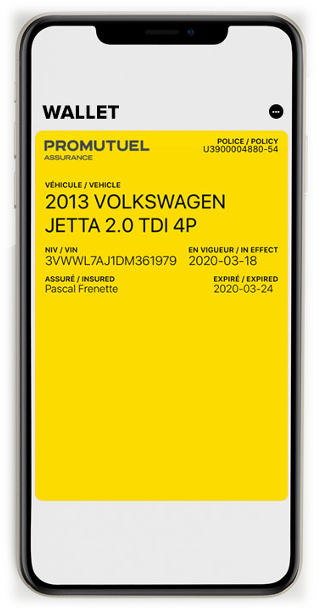
Canadian Promutuel Insurance has launched its digital auto insurance certificate. The digital insurance certificate allows motorists to have, on their mobile device, the certificate proving that they have the compulsory insurance required by law.

Picture 1

Promutuel Auto Insurance Certificate

The Promutuel Insurance certificate adapts to the main application systems. It is available in Apple’s iOS version as well as on Android. For the Apple version, it will be automatically downloaded into the Wallet app. Also, it allows the automatic updating of information when there is a modification to an already insured vehicle and it is easily shared with any temporary driver in different ways such as text or email.

Picture 2

Promutuel Insurance partnered with Passworks to create the digital insurance certificate.

The growth of Mobile Wallets and the importance of having integrated loyalty programs

Mobile Wallets offer benefits to all stakeholders, both customers and merchants, by bringing to live mobile payments with enhanced security features while allowing a faster checkout, but also enhancing loyalty solutions.

Mobile Payments Volume

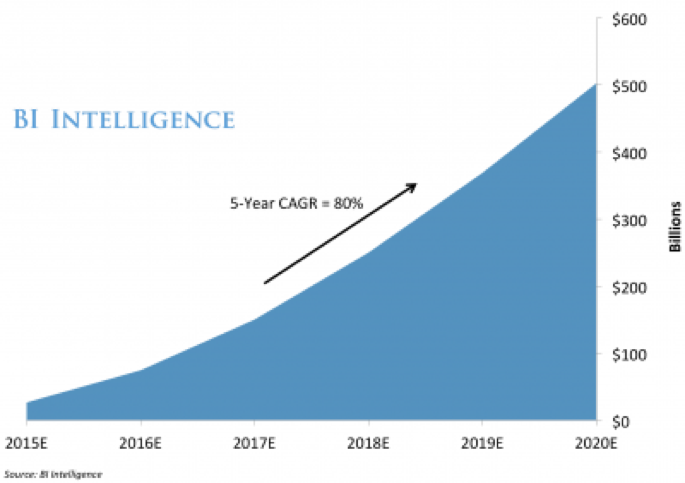
Forecast US mobile in-store payment volume (Source: BI Intelligence´s 2016 Mobile Payments Report)

As expected, in-store mobile payments are growing and recent estimation finds that it will reach $75 billion this year and $503 billion by 2020.

Nevertheless, mobile payments still face some high barriers, but as loyalty programs are integrated and more consumers rely on their mobile wallets, adoption and usage will surge over the next years.

Consumers want more from their mobile wallets. The inclusive mobile wallet with features and services, on top of just debit and credit cards, is very appealing to consumers.

Mobile Coupon and Loyalty Program

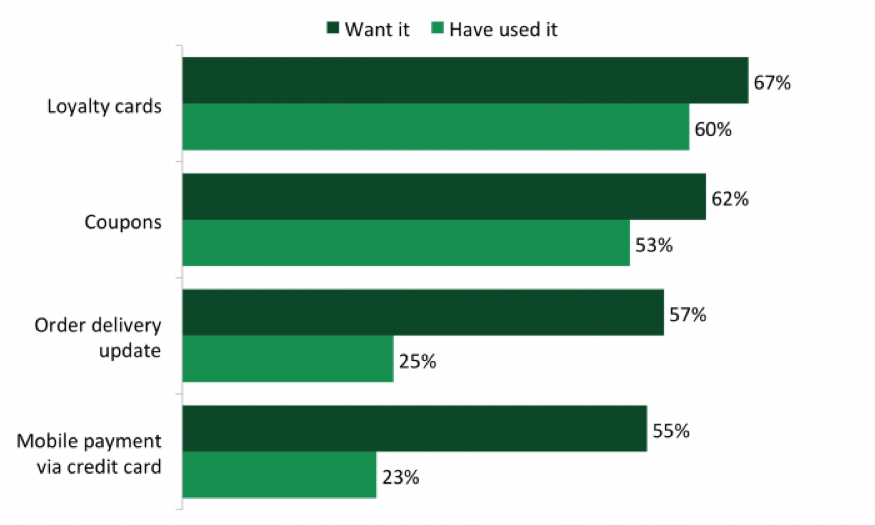
Top features consumers want for Mobile Wallets (Source: Urban Airship Report – UK and US Adults Q2 2016)

Loyalty or store cards and coupons are among the most desired features for mobile wallet users. 60% of users have used a loyalty card through a mobile wallet, and there is a high demand with two-thirds of users wanting to. Coupons, like the loyalty programs, are the second most desired feature with 53% claiming that have used them and 62% of customers wanting coupons on mobile wallets.

Apple Wallet

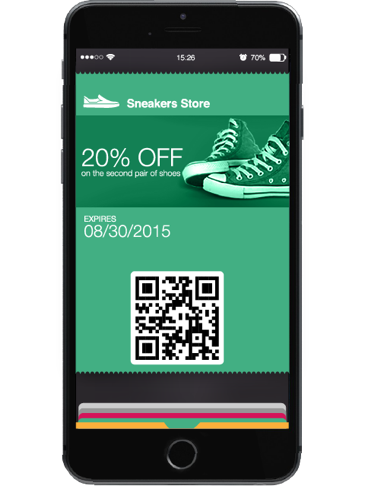
Apple Wallet mobile coupon

Integrated marketing tools such as loyalty programs and other add-on feature are key to drive mobile wallet adoption and usage. Consumers are showing interest in wallets with integrated loyalty programs.

HOW ANDROID PAY WORKS

Android Pay (previously named Google Wallet) is Google platform for payments using Android devices. It was initial launched in last quarter 2015 in the  US, and currently we are seeing global roll-out with UK launch in May, Singapore and Australia in July and other countries already scheduled before the end of 2016.

The Android Pay platform consists in two main features, Payments and Passes. The first one allows you to use your device (with NFC technology enabled) for making payments by registering your bank cards into it. The second allows you to install mobile passes (Coupons, Membership Cards, etc) into your device’s wallet, as it already exists in the Apple Wallet. Currently, Passworks only allows to manage Passes.


Payments using Android Pay

Google started by launchingGoogle Wallet, with the idea that all features related with payments would be integrated into a single platform, however they probably saw a niche by separating the mobile payments (and mobile passes) into a new context which they called Android Pay.

If you happen to be in one of the places where Android Pay is already released, it should be very easy to start using the Payments solution, just need to confirm your bank support availability.

Just need to add your credit/debit card to the Android Pay App and you can start making payments in every NFC card reader available everywhere. Another great feature is that the app records all yours transactions and gives you a simple expenses manager, that, in the future, may become a great personal finances application with reports and budgets manager.


Mobile Passes for Android Pay

For Passworks the most interesting part is the  possibility of creating and distributing what we call Passes or Cards. Android Pay support Loyalty Cards, Offers and Gift Cards.

You can either add them yourself, by taking any card with a barcode you have, as long as you have access for the number of the barcode, and add to your wallet or you can navigate into some merchant website and use the “Save to Android Pay” button.

The main idea behind you be allowed to add your own cards, is to allow to have a digital copy of them.


Adding Passes to the Wallet

You have two ways of adding mobile coupons to your Android Pay Wallet App.

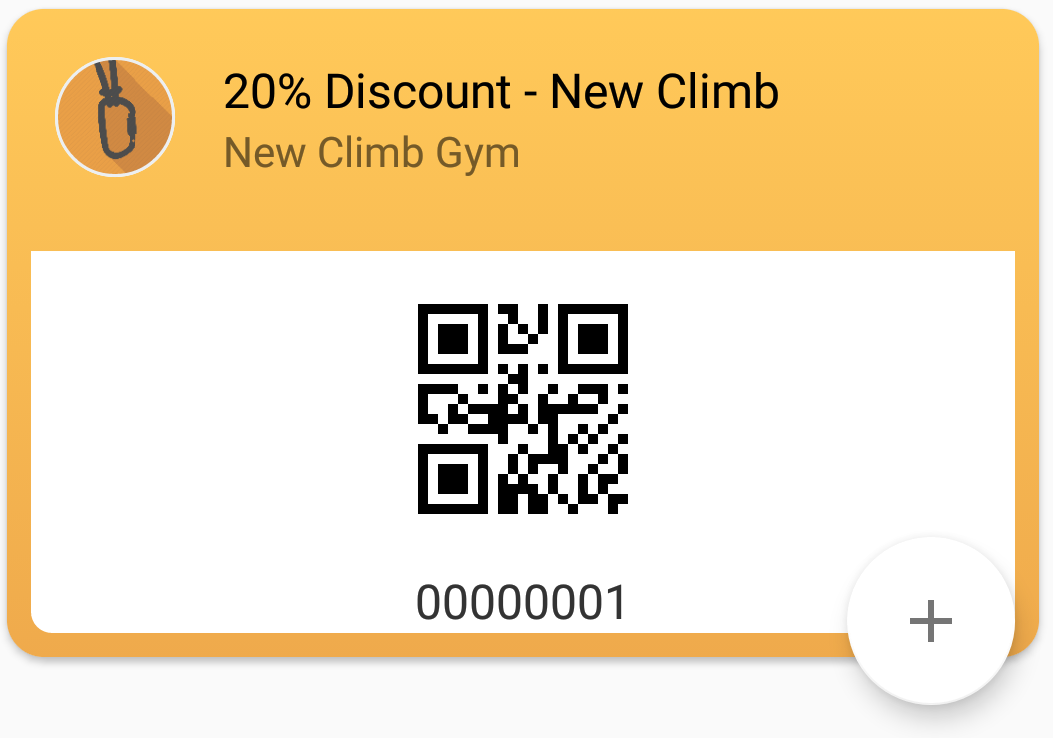
The first is to create yourself, a digital copy of your existent cards (coupons, loyalty, membership, etc.) that holds one of the barcodes available. You just have to tap the + button inside the app and fill the details, simple like that.


android-pay-addAdding a new Pass

The other way is when a specific merchant uses the Android Pay API, directly or through a gateway (like us), generates their passes and make it available on their website, or distribute (by SMS, Email or other) using url linked to the Save to Pay button.

Save to Android Pay

After the passes are installed, you can (if locations were added) receive notifications when the device is nearby the specific location.

Using the Passes

In most cases, the action of redeeming or using some pass is basicaly to read the barcode using some reader (app or scanning device) and for the cases of mobile coupons generated by the merchant, it can also update the pass information after redeeming it.


Google Pay support & Short URL

We are excited to announce that we began supporting the creation of content for Google Pay and also you can share your Mobile Wallet Passes using our new convenient short URL service.

We now support Save to Google Pay

android payYou now can create passes for Google Pay with the same ease that you create them for Apple Wallet, and you automatically can serve your customers using the exact same URL. Tap into millions of iOS and Android users to manage their digital offers.

Know more at Passworks support documentation.

Short URL for a convenient distribution

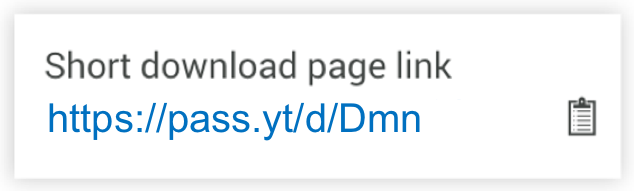
short urlWe understand the importance of a short URL when distributing a Mobile Wallet Pass. Starting today, you can share your passes using our convenient pass.yt short URL service, available for free to all Passworks users.

Learn more and start creating your own mobile wallet marketing campaign with the free Passworks trial.

LOCATION. LOCATION. LOCATION.

It’s all about location.

It is critical for brands to understand the consumer journey and what are the touch points during this path. These key moments represent the times when a consumer is more open to purchase or consume a certain product and when it becomes really relevant to deliver a call-to-action.

To know about those moments means collecting multiple data about the consumers and his behaviour. And knowing about their location means that the brands can connect and engage with the consumer at the right moment.

Location-based advertising

Location-enabled advertising is not a new concept but the different arrays of the technology and the proliferation of smartphones are only now allowing marketers to take full advantage of it.

Location data is playing an important asset for brands to connect with consumers in the real world, and the smartphone is being the key communication channel to deliver that engagement everywhere.

Pre-installed mobile wallets applications on smartphones, such as Apple Wallet or Android Pay, allow brands to reach their audience in a relevant and compelling way, giving the opportunity for marketers to benefit from mobile wallets as a new mobile marketing communication channel.

Location-based

And one of the most interesting features of mobile wallets is the possibility to engage in real-time with the consumers using native location-based technology or by interacting with beacons. Marketers can specify strategic locations or associate beacons to the mobile wallet, in order to trigger location-based notifications directly to the consumer smartphone.

Learn more and try to create your own location-based mobile wallet marketing campaigns with a free Passworks trial.

MOBILE WALLETS ADVANTAGES

Apple Wallet (including Apple Pay), Android Pay and Samsung Pay are changing how we interact with our phone by implementing mobile wallet functionalities that go beyond payments. We are now able to store, save, share coupons, store or loyalty cards, rewards, boarding passes, event tickets, while engaging with the users in real-time.

Mobile wallets are simple to implement and a highly effective for a brand and business to interact with their clients, not only in real-time but also based on their location.

Here are some of mobile wallet marketing main advantages:

Native Wallets Advantages

  • Take advantage of native Apps
    Reach prospects that do not have your App installed through mobile passes in mobile wallets native Apps, such as Apple Wallet, Android Pay or Samsung Pay. Build marketing campaigns and programs that “live” inside your customers’ smartphone.
  • Add App advantagePromote your own App
    Take the opportunity to promote your app through a mobile channel with the ability to open or install it directly from the digital pass.

Passworks Platform_Add Pass copy

  • Ease of use on how to install a mobile wallet pass
    You can distribute your mobile wallet pass by sending and email or an SMS with a url link, by printing or embedding a QR code on a website or App or even sending the .pkpass file as an attachment.

Updates Advantages

  • Mobile wallet pass content can be updated in real-time
    With real-time multiple content, value and look & feel updates, you have the opportunity to establish an on-going conversation with your consumers, in order to keep them always up-to-date.

Push Notifications Advantages

  • Send push notifications
    Engage with your audience through a mobile channel in a convenient and relevant way: send messages to promote offers, make reminders and inform updates directly to your consumers’ smartphone, giving you the chance to be on your consumers’ top-of-mind.

Locations Advantages

  • Trigger location-based notifications
    Take the advantage of the location-based technology by defining geo-based and beacons-based messages which will be triggered when passing by your store or a specific and strategic location.

Passworks Platform_Welcome to Passworks

Besides the great advantages, there’s a true power of timing regarding the use of mobile wallet marketing on a communication strategy and of each use case: there are different types of passes for different purposes just as much as the same type of pass can be used to achieve so many goals. Don’t miss this chance to use mobile as a strategy. Start now!